Hazard Trees Removed Without Property Damage
Tree removal in Covington for homeowners and businesses addressing storm damage, declining trees, and site clearance requirements
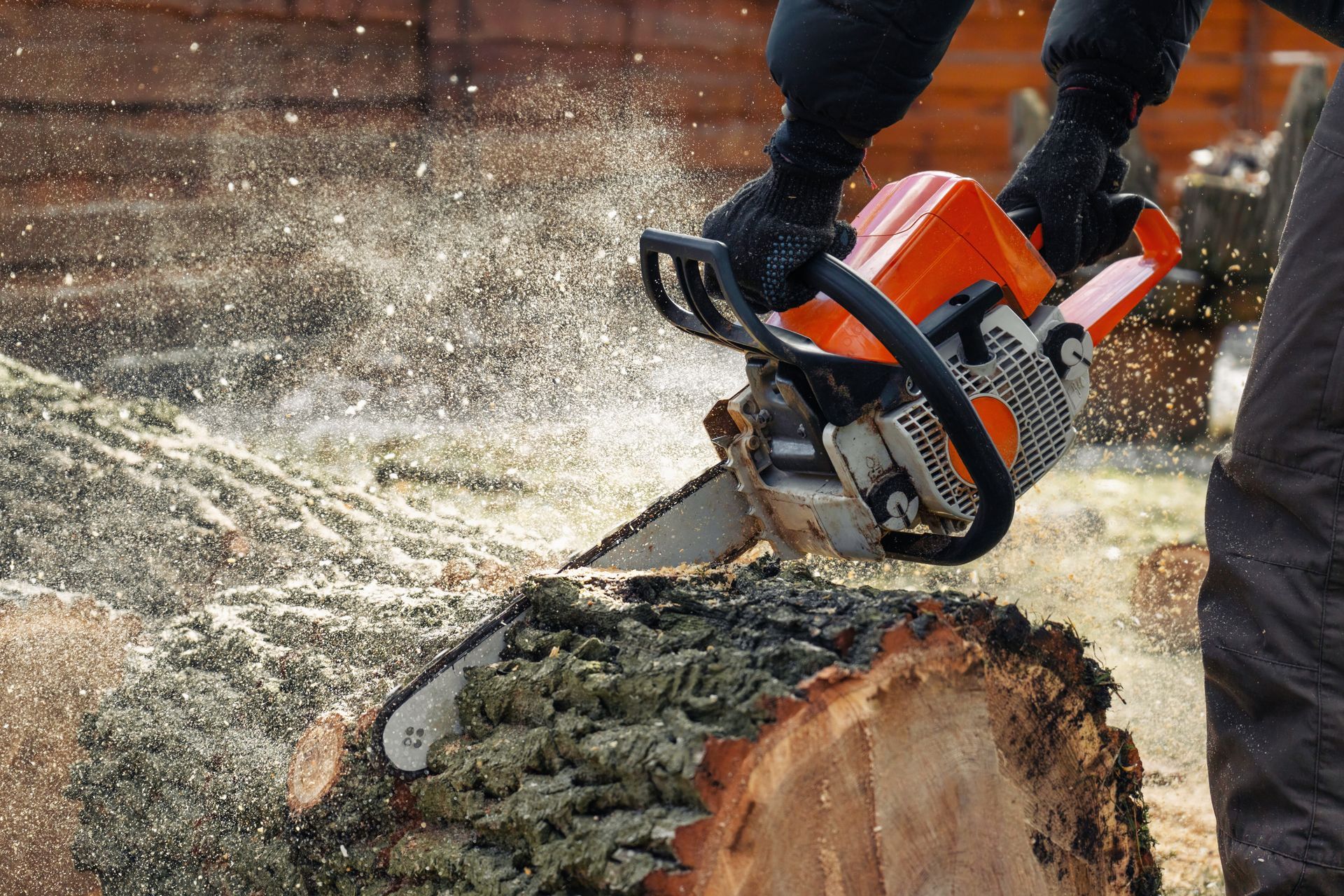
Trees leaning toward structures, split by storm winds, or declining from disease create liability and damage risk that escalates with each weather event moving through the Lake Pontchartrain area. Removal involves assessment of hazard indicators such as exposed roots, visible rot, trunk cracks, or severe lean, followed by controlled takedown using drop or dismantling techniques determined by proximity to buildings, utilities, and neighboring property. Buster's Tree Removal executes the full removal process from hazard inspection through stump extraction and debris hauling, with the owner personally performing assessments and demolition work to maintain quality control throughout the project.
Storm season increases demand for emergency removals when trees fail under wind load or lightning strikes, while heat-of-summer work requires early-morning scheduling to manage crew safety and equipment performance. Winter scheduling extends into the slower season as non-emergency removals accumulate, offering advance booking opportunities for property owners addressing aesthetic concerns or preparing sites for construction. Service extends across Covington, Mandeville, and Folsom, with responsive availability for urgent requests when trees pose immediate threats to structures or access routes.
Schedule an assessment to evaluate tree stability, hazard level, and removal approach based on site conditions.
What Happens During the Removal Process
The assessment-to-removal workflow begins with inspection for structural hazards including root plate movement, hollow trunks, fungal fruiting bodies, and branch dieback that indicate internal decay. Removal angles are identified based on tree lean, canopy weight distribution, and clearance from structures, with dismantling used when drop zones are constrained by fences, driveways, or neighboring improvements. Execution involves controlled cutting to direct fall trajectory or piece-by-piece removal from the top down when working near power lines or rooflines.
After removal, properties no longer have trees threatening roof damage during storms, root systems lifting sidewalks or foundations, or canopies blocking sunlight from lawns and landscape beds. The site is cleared to grade level with stumps ground below surface, debris chipped or hauled, and work areas cleaned to restore lawn access and appearance. Emergency response handles trees that have already failed, removing trunks from structures, clearing access roads, and stabilizing split trees that remain partially rooted.
Stump extraction eliminates regrowth and prevents decay organisms from spreading to nearby healthy trees. Removal backlog extends during winter months as routine work accumulates, but urgent hazard cases receive priority scheduling regardless of seasonal demand fluctuations affecting the broader North Shore service area.
What Property Owners Usually Ask
Tree removal across Covington, Mandeville, Folsom, and Lake Pontchartrain area properties involves addressing specific hazard conditions and understanding how seasonal weather patterns affect timing and availability.
How do you determine if a tree needs removal versus pruning?
Trees with significant structural failure indicators such as trunk cracks, severe lean beyond correctable angles, root plate heaving, or extensive internal decay exceeding 40 percent of trunk diameter require removal, while trees with localized dead wood or correctable growth patterns respond to targeted pruning.
What does emergency tree removal cover?
Emergency service addresses trees that have fallen on structures, split and remain partially attached, block access roads, or contact power lines, with response available within 24 hours and prioritization based on immediate safety threats.
How does tropical weather exposure affect removal timing?
Storm season brings increased wind and lightning damage that creates urgent removal needs, while winter offers scheduling flexibility for non-hazardous removals as tropical weather risk decreases and demand moderates across the North Shore.
What happens to the stump after tree removal?
Stumps are ground to grade or below depending on site use, with root ball extraction included to prevent sprouting and eliminate trip hazards, allowing for immediate lawn restoration or replanting without waiting for natural decay.
Who performs the actual removal work?
The owner personally conducts assessments and executes removal work, ensuring consistent application of technique and direct accountability for safe execution and property protection throughout the project.
Buster's Tree Removal handles residential and commercial removals with proven technique adapted to site-specific constraints and hazard conditions. Call (985) 788-5925 to arrange an inspection and confirm removal approach for your property.