Address Soil Deficiency Limiting Tree Growth
Tree Fertilization in Covington for Trees Showing Nutrient Deficiency or Slow Growth
Acidic, compacted soil across North Shore residential properties limits nutrient uptake even when trees receive adequate water, resulting in sparse foliage, stunted growth, and increased vulnerability to pests and disease. Fertilization delivers nitrogen, phosphorus, potassium, and micronutrients directly to root zones, correcting deficiencies identified during soil assessment and promoting canopy density and root development. Clay-based soil and fluctuating moisture levels common to Covington affect how nutrients move through the ground, making application method and timing critical to absorption.
Soil assessment determines which nutrients are deficient and guides fertilizer selection—NPK ratio is adjusted based on whether foliage growth, root development, or stress recovery is the priority. Ground application spreads granular fertilizer across the root zone for gradual release, while injection delivers liquid nutrients directly into the soil for faster uptake when trees show acute deficiency symptoms.
Request a soil and tree health evaluation to identify specific nutrient deficiencies and receive a tailored fertilization plan.
How Fertilization Supports Long-Term Health
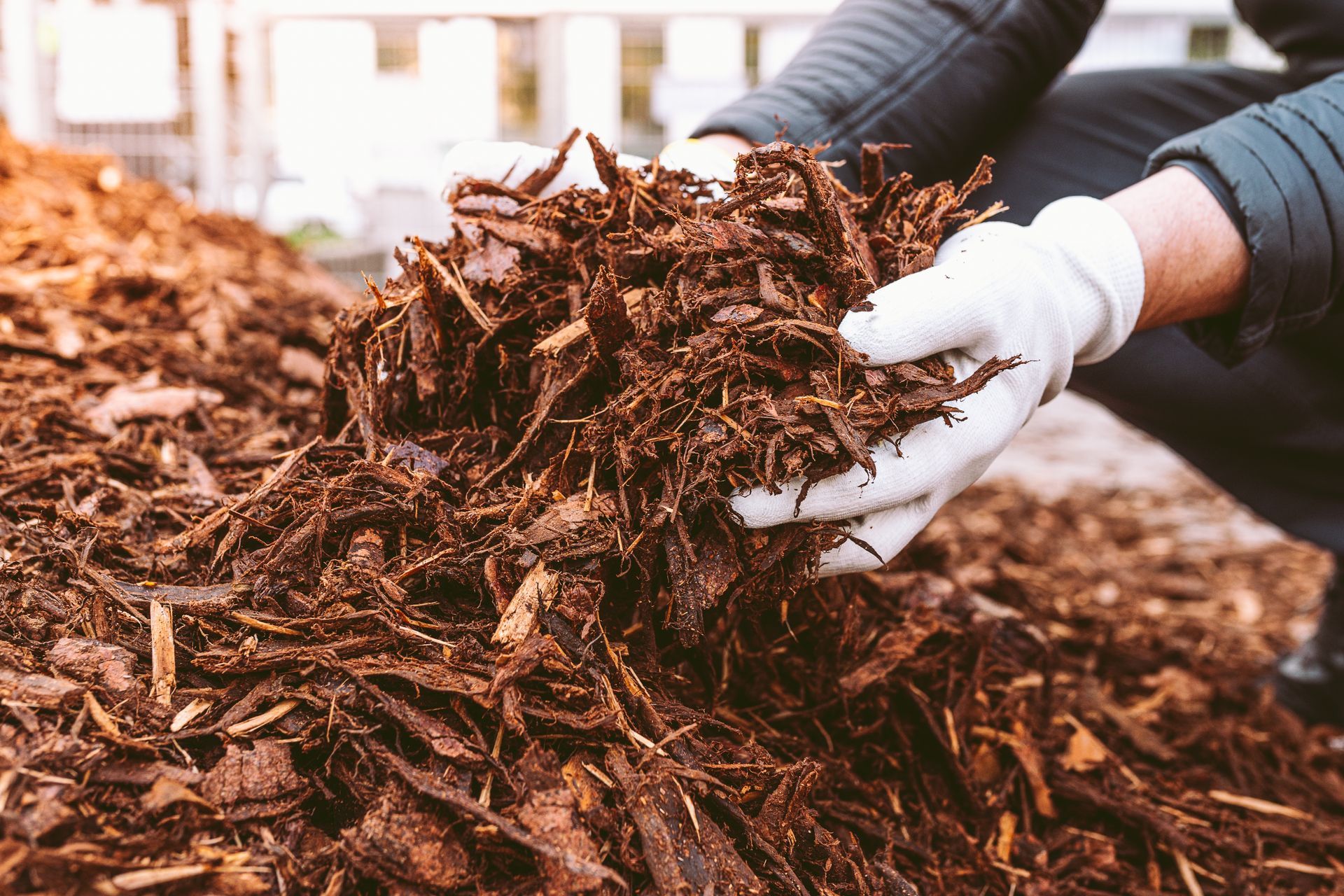
Nutrient application begins with root zone mapping to ensure fertilizer reaches active feeder roots rather than being wasted on surface areas where uptake is minimal. For trees in compacted soil, injection bypasses the dense surface layer and delivers nutrients where roots can absorb them immediately. Granular application works better for trees with established root systems in looser soil, releasing nutrients gradually as water carries them into the ground.
After fertilization, you see denser foliage, improved color in leaves that were previously pale or yellowed, and stronger seasonal growth as nutrient levels stabilize. Trees under heat stress during summer respond more effectively to drought and pest pressure when nutrient deficiencies are corrected, reducing the likelihood of decline that leads to removal. Fertilization does not repair structural damage or eliminate disease, but it provides the foundation for recovery when combined with pruning and proper watering.
Fertilization is often bundled with pruning and health assessment to create an integrated care plan that addresses multiple factors affecting tree condition. Buster's Tree Removal recommends fertilization when soil tests or visual inspection reveal deficiency, ensuring treatment aligns with actual needs rather than routine application schedules that may waste resources.
Common Questions About Tree Nutrition
Fertilization questions focus on when treatment is necessary, how application methods differ, and what results property owners should expect after nutrient correction.
What signs indicate a tree needs fertilization?
Pale or yellowed leaves, sparse foliage, slow seasonal growth, early leaf drop, and poor response to adequate watering all suggest nutrient deficiency that fertilization can address.
How does clay soil in Covington affect nutrient availability?
Clay holds moisture but compacts easily, limiting root expansion and preventing nutrients from moving into the soil where roots can absorb them, making nutrient deficiency common even in soil that appears healthy.
What is the difference between ground application and injection?
Ground application spreads granular fertilizer across the root zone for gradual nutrient release over weeks, while injection delivers liquid fertilizer directly into the soil for rapid uptake when acute deficiency requires immediate correction.
When during the year is fertilization most effective?
Late winter to early spring, before new growth begins, allows nutrients to support the growing season, while late summer application prepares trees for winter stress and promotes root development before dormancy.
Why is fertilization bundled with pruning and assessment in Covington?
Integrated care addresses multiple health factors simultaneously—pruning removes dead wood and reduces stress, assessment identifies deficiencies, and fertilization corrects nutrient problems, creating a comprehensive treatment plan rather than isolated interventions.
Buster's Tree Removal applies tree fertilization across Covington, Mandeville, and Folsom, with treatment plans based on soil assessment and visual inspection findings. Schedule a consultation to determine whether fertilization will benefit specific trees on your property and receive application recommendations tailored to current soil conditions.